
 By
By 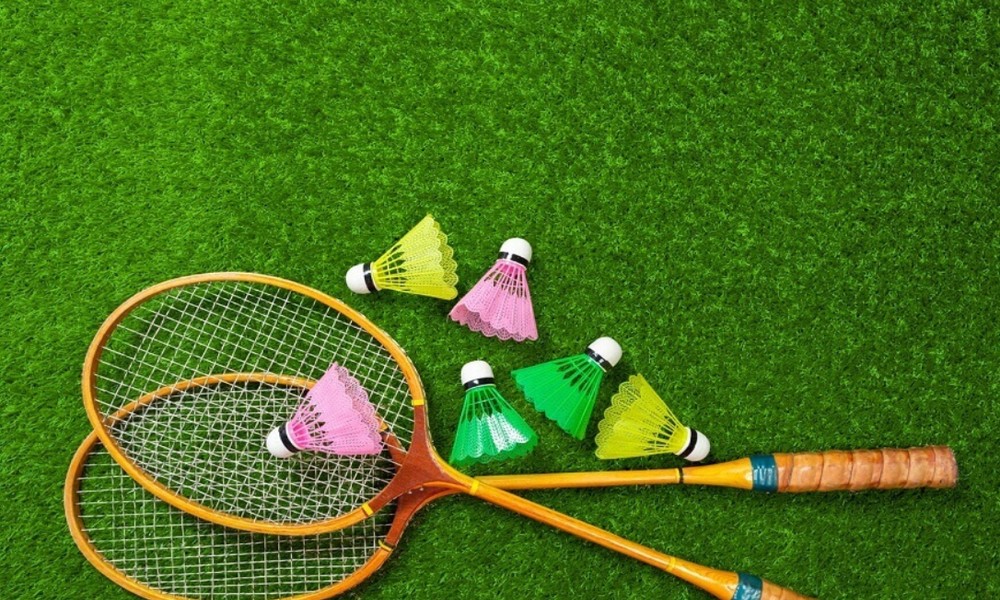
Most backyard games peak on day one. The novelty wears off, the equipment gets shoved into a corner, and nobody mentions it again. Badminton doesn’t follow that pattern – and the reason isn’t nostalgia or simplicity. It’s that the game continuously demands something slightly different from the body and the brain every single time it’s played. Australians who invest in proper badminton sets tend to actually use them, repeatedly, across seasons. That alone separates this from most leisure purchases gathering dust in the shed.
Why Rallies Are Deceptive
A long rally looks effortless from the outside. It isn’t. Maintaining a shuttle in the air requires constant micro-adjustments – weight shifting, wrist correction, footwork that never fully stops. The body is performing hundreds of small movement decisions per minute without the player consciously registering most of them. That continuous low-level demand is what makes badminton so effective for cardiovascular fitness. It sustains elevated heart rate without the psychological grind of running laps, because the attention is always elsewhere – on the shuttle, not on the effort.
Lateral Movement Nobody Trains
Most casual exercise moves people forward and backward. Badminton forces genuine lateral agility – rapid side-to-side changes of direction that most gym routines completely ignore. The hip abductors, inner thighs, and stabilising muscles around the knee all engage heavily during court coverage. Over weeks of regular play, these muscles strengthen in ways that translate directly into better balance and injury resistance in everyday movement. It’s functional fitness that happens accidentally, which is the best kind.
What Happens to Reaction Time
Watching the badminton shuttle and trying to figure out what your opponent is going to do is work for your brain. Your brain has to think about where the shuttle’s going how the wind is affecting it and where your opponent is. Then it has to tell your body what to do before you even have time to think. People who play badminton a lot can react faster. They can react faster not when they are playing badminton but also in their everyday lives. Badminton sets are like tools that help you react faster. They are also a lot of fun.
The Age Gap Problem, Solved
Finding an activity that genuinely works across generations is harder than it sounds. Most sports either physically exclude older participants or bore younger ones within minutes. Badminton sits in a rare middle ground. The pace can be controlled through shot selection – slower, floated shots keep rallies accessible for children and older adults, while smashes and net play give competitive teenagers something real to work with. The game scales to whoever is holding the racquet, which is why it survives as a family activity well past the novelty stage.
Doubles Changes the Dynamic Entirely
Singles badminton is a fitness exercise. Doubles badminton is a communication exercise dressed up as fitness. Knowing instinctively when to cover the net and when to hold the baseline, reading a partner’s positioning without discussing it mid-rally – these require a level of non-verbal coordination that genuinely strengthens relationships over time. Couples, siblings, and long-term friends who play doubles regularly report a particular kind of wordless understanding that carries beyond the court. That’s not incidental – it’s a direct product of the game’s structure.
Equipment Decisions That Actually Matter
Racquet balance affects everything. A head-heavy racquet generates more power but tires the arm faster during long sessions. A head-light racquet sacrifices some smash power for control and endurance – better for beginners and social play. Net height and tension matter more than most buyers realise; a sagging net fundamentally changes shot selection and rally length. Shuttlecock choice between feathered and synthetic isn’t just about budget – feathered shuttles behave differently in wind and suit outdoor Australian conditions less predictably than quality synthetic alternatives.
Conclusion
Badminton sets earn their place because the game doesn’t get stale the way simpler backyard activities do. The physical demands shift as skill develops, the social dynamics deepen with familiarity, and the equipment rewards better choices over time. For Australian households wanting outdoor activity that holds genuine long-term value – physically, mentally, and socially – badminton delivers something most alternatives quietly can’t. The backyard net that gets pulled out weekend after weekend is worth understanding properly before it’s purchased.











Comments