
 By
By 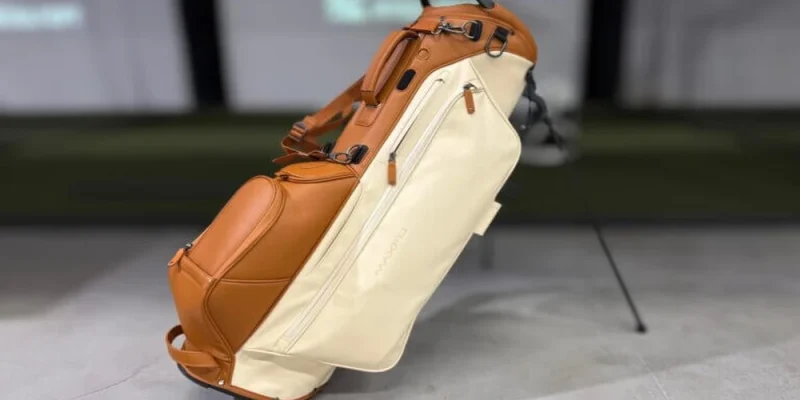
Golf bag sales bring together several distinct bag categories at the same time, and knowing which type suits which situation prevents buyers from choosing on price alone. Golfers comparing options during a golf bag sale will find that each bag type was designed around a specific playing style and carrying method, and the sections below explain the main types, their features, and how to select between them during a sale period.
Golf bag sale types
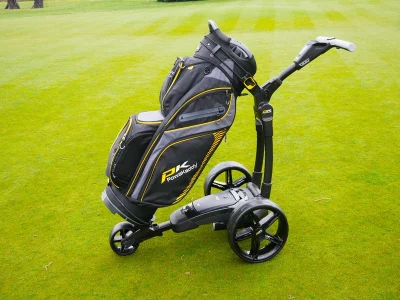
- Cart bags appear most frequently in sale listings because they represent the largest share of the market. The purpose of cartbags is to solve a single problem: golfers who ride motorised carts or attach bags to push trolleys need bags that sit stably, organise clubs clearly, and carry all of their gear without adding bulk or weight. With their flat bases, multiple pockets, and full-length dividers, cart bags solve that issue directly, and sale prices often reflect clearances on prior-year models which perform the same as current ones.
- Different golfers have different problems solved by stand bags. As you play eighteen holes, you must have a portable, lightweight bag that will automatically deploy when you set it down when you’re ready to play. As stand bags are designed to be portable rather than storage-centric, they feature retractable legs and padded dual straps for balanced weight distribution. They also carry fewer pockets than cart bags because the priorities shift from storage to portability. Sale periods on stand bags frequently include previous season colours at reduced price, and the structural performance between seasons changes little since the leg mechanism and strap system evolve slowly.
- Tour bags and Sunday bags sit at opposite ends of the market. Tour bags are the largest and heaviest category, designed for professional caddies carrying a full set across tournament rounds, and they appear in sales mainly as display or demonstration stock.
Bag feature comparison
A sale comparison between cart and stand bags turns on a few features that matter most during actual play.
- Divider systems in cart bags run the full length of the bag, giving each club its own channel and preventing shaft contact during transport. Stand bags use fewer and shorter dividers, prioritizing weight saving over individual club isolation, which means some shaft contact during the round.
- Pocket count favours cart bags, which carry apparel pockets, valuables pockets, cooler pockets, and accessory pockets in a single unit. Stand bags trim pocket count and size to reduce weight, with most carrying four to six pockets against a cart bag’s eight to twelve.
Sale bag selection
Selecting between types during a sale requires answering one question before looking at price: how does the bag travel on a typical round? Golfers who ride or push always benefit from a cart bag, since the stability, storage, and divider system reward that transport method directly. Golfers who carry for some or all of their rounds benefit from a stand bag, since the weight and strap system makes a difference across eighteen holes.
Sale pricing should be evaluated after the type is confirmed, since buying the wrong type at a discount produces a bag that works against the golfer’s actual playing pattern every round. Within the correct type, sale stock from one or two seasons prior typically offers the strongest value, as performance specifications change minimally between model years.







Comments